How Do I Know If I Have Sensitive Skin?
Posted by Skinsider Team on 7th Jul 2025
Have you ever applied a new product and instantly felt stinging, itching or noticed unexpected redness? If yes, your skin might be trying to tell you something. Sensitive skin is more common than you might think – and understanding it is the first step toward keeping your complexion happy and healthy.
What Exactly Is Sensitive Skin?
Sensitive skin isn’t a clinical diagnosis, but rather a skin condition where your skin is more reactive than usual. You might notice:
- Redness or irritation after using certain skincare products
- Burning or stinging sensations (especially with active ingredients)
- Dry patches or flaking
- A tight feeling even after moisturising
- Breakouts triggered by stress, weather changes, or harsh products
Sound familiar? You may be dealing with sensitive skin.
What Causes Skin Sensitivity?
Sensitivity can be genetic, but it can also develop over time due to factors like:
- Overuse of exfoliating acids or retinoids
- A damaged skin barrier
- Environmental stressors like pollution or cold weather
- Allergens or fragrances in skincare products
The key to managing sensitivity is to support and strengthen the skin barrier while calming irritation. That starts with choosing the right ingredients.

Best Skincare Ingredients for Sensitive Skin
If you have sensitive skin, less is more. Look for calming, barrier-repairing ingredients that hydrate, soothe and protect. Here are some of the best:
Centella Asiatica
A hero ingredient for calming inflammation and redness. It’s rich in compounds that help heal and soothe compromised skin.
Try: SKIN1004 Madagascar Centella Ampoule – a lightweight ampoule that instantly calms irritation and restores balance without overwhelming the skin.
Ceramides
These are lipids naturally found in the skin barrier. When your skin feels dry, itchy, or tight, ceramides help replenish and lock in moisture.
Try: BIODANCE Hydro Cera-nol Real Deep Mask – an ultra-soothing sheet mask infused with ceramides to boost hydration and strengthen the barrier.
Niacinamide
Known for its multi-tasking benefits, niacinamide calms redness, evens out skin tone, and supports barrier repair – all without irritation.
Try: NINELESS B-Boost 10% Niacinamide Serum – a powerful serum that combines niacinamide with panthenol for a calming and balancing effect.
Panthenol
Also known as pro-vitamin B5, it’s incredibly soothing and helps attract moisture to the skin. Ideal for sensitive or reactive skin types.
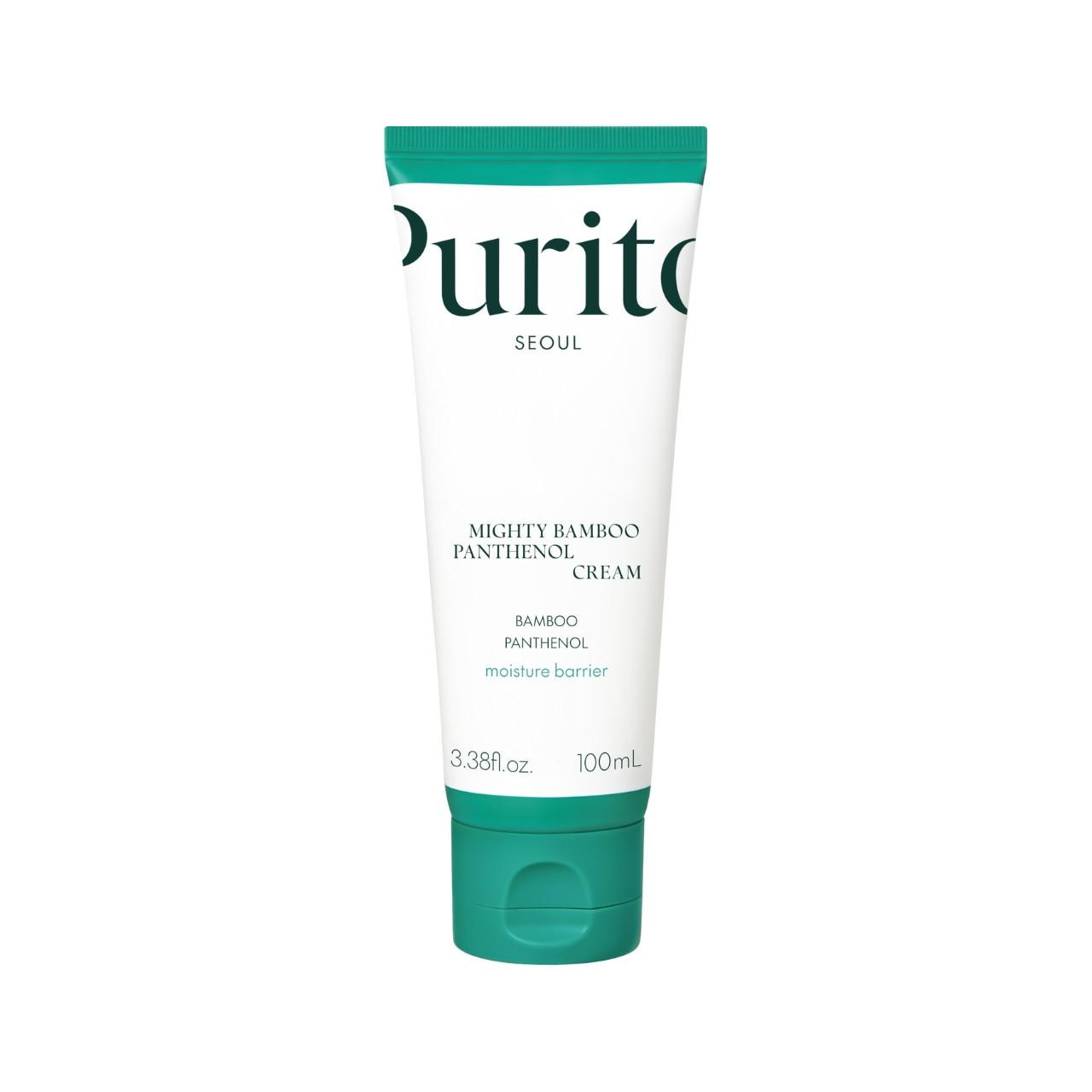
Try: PURITO Mighty Bamboo Panthenol Cream – a rich yet non-greasy cream that delivers deep hydration and soothes inflamed skin.
Mugwort
This Korean botanical is known for its anti-inflammatory and antibacterial properties. It’s perfect for calming sensitive or acne-prone skin.
Try: Round Lab Mugwort Calming Toner – a gentle, alcohol-free toner that helps calm redness and restore comfort to stressed skin.
Beta-glucan
A deeply hydrating ingredient that soothes irritation and supports healing. It’s more effective than hyaluronic acid at locking in moisture.
Try: MIXSOON Beta-Glucan Essence – a lightweight essence that drenches the skin in moisture and relieves dryness or discomfort.
Tips for Caring for Sensitive Skin
- Stick to a minimal routine – Cleanser, moisturiser, SPF. Add serums or actives slowly.
- Patch test – Always test a new product on a small area before applying it to your whole face.
- Avoid fragrance and alcohol – These can be major triggers for sensitive skin.
- Protect your barrier – Use moisturisers rich in ceramides and gentle cleansers that don’t strip your skin.
- Be gentle – Avoid rough scrubs or over-exfoliation. Your skin needs time and kindness to repair itself.
If your skin often feels irritated, dry, or unpredictable, you might be experiencing sensitivity. But with the right ingredients and a simplified routine, you can bring your skin back to balance and comfort.