
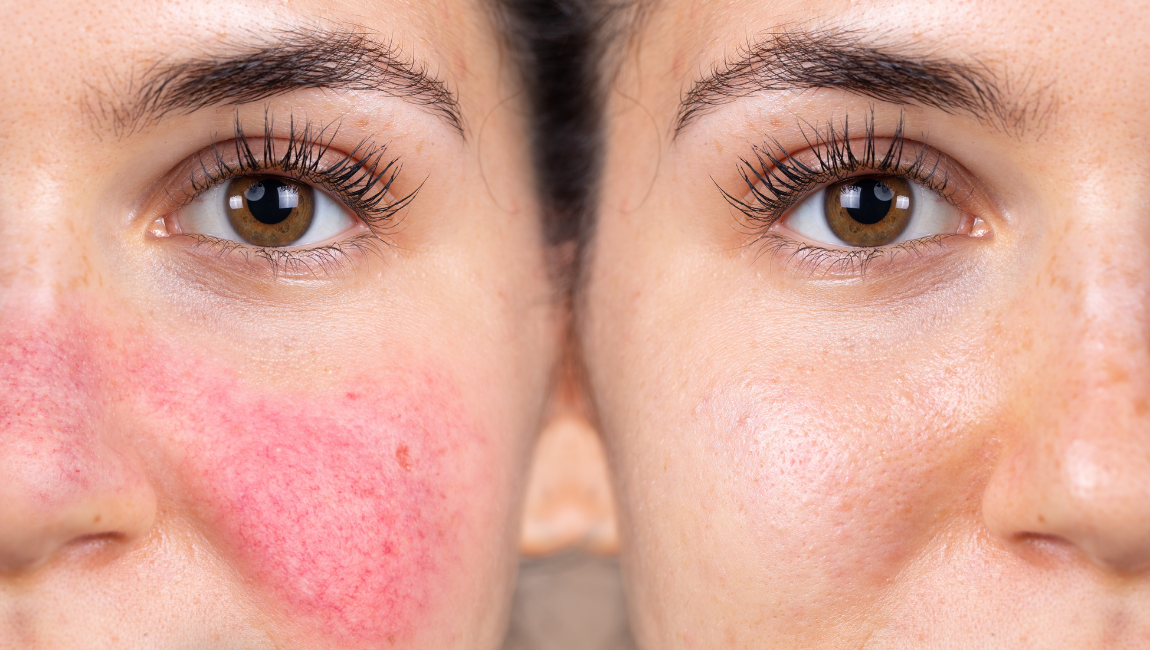
Azelaic Acid for Rosacea: How It Helps Calm Redness & Support Sensitive Skin
Posted by Skinsider Team on 22nd Jun 2026
Why Is Azelaic Acid Popular for Rosacea-Prone Skin?
Finding skincare that works well for rosacea-prone skin can be challenging. Many active ingredients designed to improve texture or brightness can feel too intense, especially when the skin barrier is already sensitive.
This is where azelaic acid for rosacea has become a popular choice. Unlike many stronger exfoliating ingredients, azelaic acid is known for being a gentler active that can support clearer, calmer-looking skin while addressing some of the visible concerns associated with rosacea.
If you want to learn more about the condition itself, including what is rosacea, common rosacea symptoms, rosacea triggers and what causes rosacea, read our complete guide to rosacea.
What Does Azelaic Acid Do for Rosacea?
So, what does azelaic acid do and why is it often recommended for redness-prone skin?
Azelaic acid is a naturally occurring dicarboxylic acid that has become a well-known ingredient in skincare thanks to its soothing and skin-balancing properties.
For rosacea-prone skin, the main azelaic acid benefits include:
Helps Reduce the Appearance of Redness
One of the main concerns with rosacea is visible redness. Azelaic acid can help improve the appearance of uneven tone and calm the look of irritated skin.
Supports More Balanced-Looking Skin
Rosacea-prone skin often reacts easily to environmental factors. Azelaic acid helps create a more balanced-looking complexion without the harsh feeling that some stronger actives may cause.
Helps With Blemish-Prone Skin
Some people with rosacea also experience bumps and blemishes. Azelaic acid can be a useful ingredient for skin that needs support with both redness and imperfections.
Suitable for Sensitive Skin Routines
When introduced correctly, azelaic acid can be a good option for sensitive skin types looking for effective but gentle active ingredients.
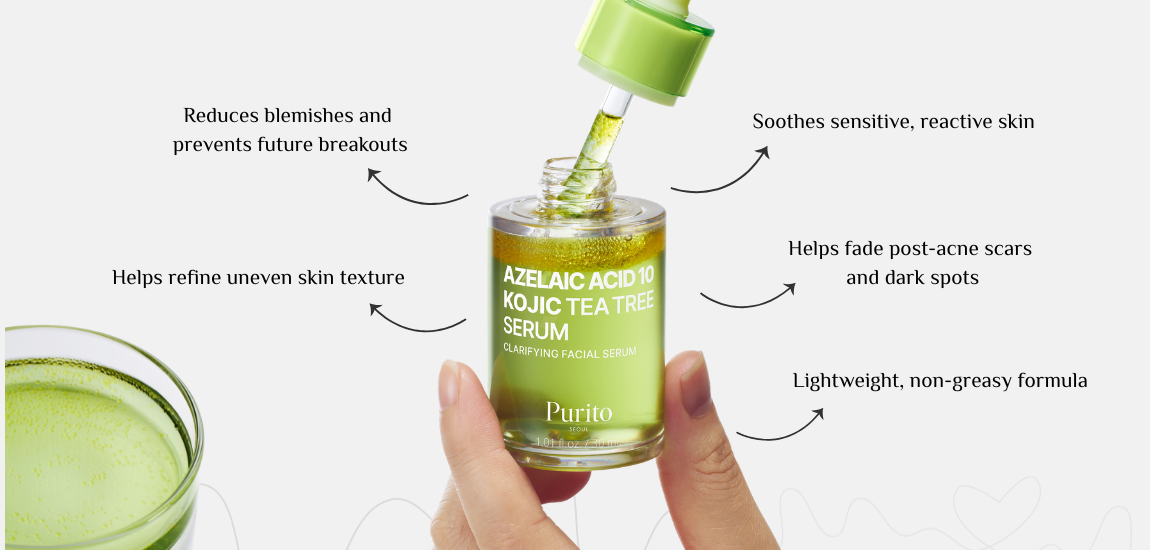
Azelaic Acid vs Rosacea: Can It Treat Rosacea?
It is important to set realistic expectations. Skincare products cannot permanently remove rosacea or change the underlying causes of the condition.
However, products containing azelaic acid may help improve the appearance of redness, uneven tone and irritation when used consistently as part of a suitable skincare routine.
The results people look for in azelaic acid before and after comparisons are usually related to calmer-looking skin, improved texture and a more even complexion rather than a complete elimination of rosacea.
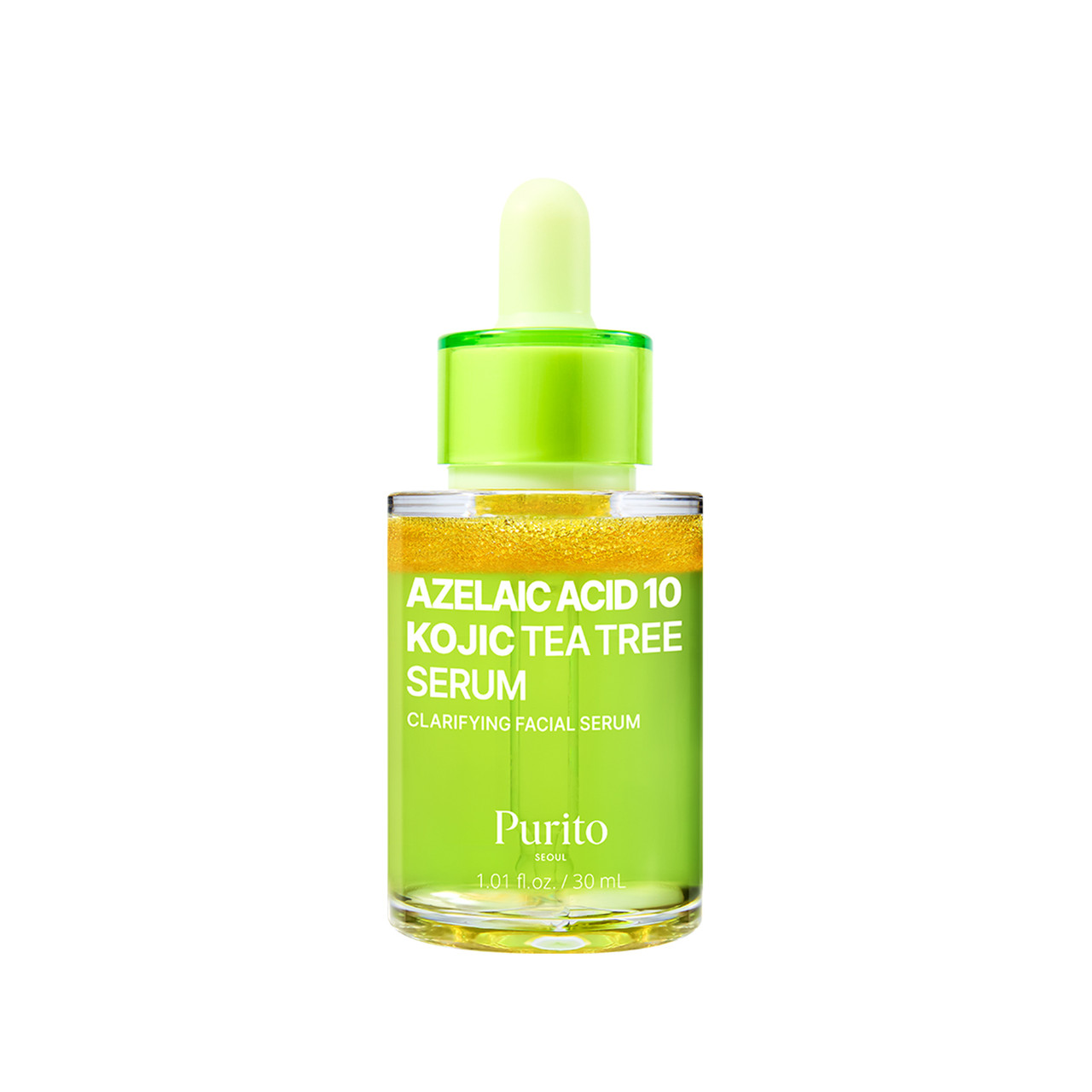
PURITO Azelaic Acid 10 Kojic Tea Tree Serum: A Targeted Serum for Redness-Prone Skin
The PURITO Azelaic Acid 10 Kojic Tea Tree Serum combines azelaic acid with soothing and brightening ingredients designed to support sensitive, uneven and blemish-prone skin.
With 10% azelaic acid, this serum focuses on improving the appearance of redness while helping maintain a healthier-looking skin balance.
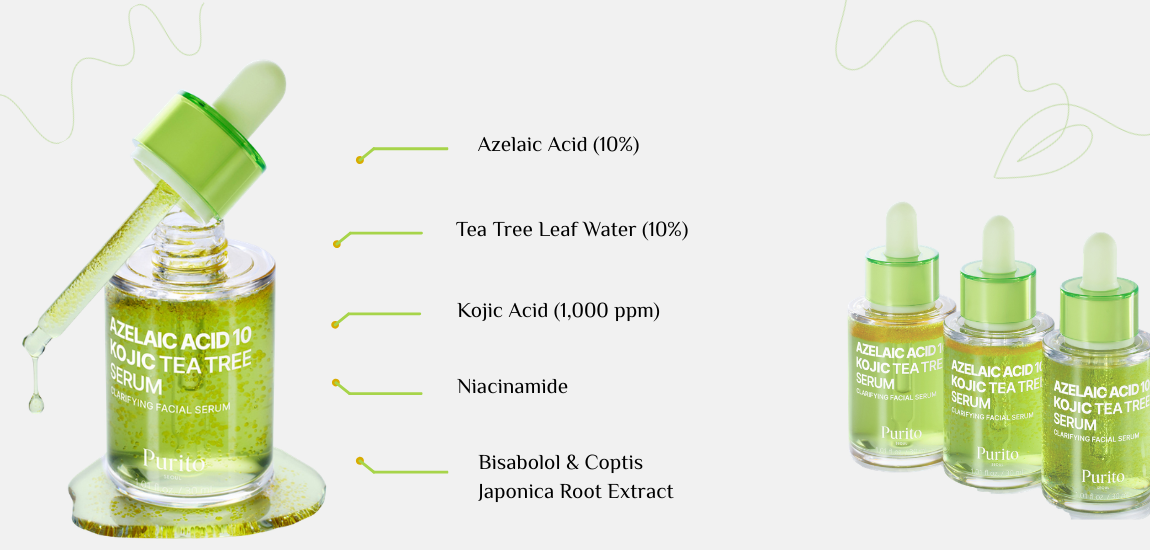
Key Ingredients in PURITO Azelaic Acid Serum
Azelaic Acid (10%)
The hero ingredient of the formula. It helps support a smoother, more even-looking complexion and is especially valued in routines targeting redness and sensitivity.
Best for:
- Rosacea-prone skin
- Redness
- Uneven skin tone
- Blemish-prone skin
Tea Tree Leaf Water (10%)
Tea tree is traditionally used in skincare for blemish-prone skin. In this formula, it complements azelaic acid by supporting clearer-looking skin.
Best for:
- Combination skin
- Congestion
- Occasional breakouts
Niacinamide
A popular barrier-supporting ingredient that helps improve the appearance of uneven tone and supports overall skin comfort.
Best for:
- Sensitive skin
- Uneven complexion
- Skin barrier support
Kojic Acid (1,000 ppm)
Kojic acid is known for its brightening properties and helps target the appearance of pigmentation and dullness.
Best for:
- Post-blemish marks
- Uneven tone
- Dull-looking skin
Bisabolol & Tocopherol
These ingredients help provide additional comfort and antioxidant support, making the formula more suitable for skin that needs a gentler approach.
How to Use Azelaic Acid for Rosacea-Prone Skin
Knowing how to use azelaic acid correctly is important, especially if your skin is sensitive.
Start Slowly
Begin by using your azelaic acid serum a few times per week and increase frequency depending on how your skin reacts.
Apply After Toner and Before Moisturiser
A simple routine order:
- Cleanser
- Toner
- Azelaic acid serum
- Moisturiser
- SPF (morning routine)
Avoid Overloading Your Skin With Too Many Actives
If your skin is reactive, avoid introducing multiple strong ingredients at the same time. Combining too many active products can increase the chance of discomfort.
Who Is PURITO Azelaic Acid 10 Kojic Tea Tree Serum Best For?
This serum may be a good choice for:
✓ Skin with visible redness
✓ Rosacea-prone skin looking for a gentle active
✓ Combination skin
✓ Blemish-prone skin
✓ Uneven skin tone
✓ People looking for a beginner-friendly azelaic acid serum
It may not be the right choice for everyone — extremely reactive skin should always introduce new actives gradually.
Can Azelaic Acid Be Part of a Rosacea Skincare Routine?
A well-balanced rosacea skincare routine is usually focused on calming, hydration and protecting the skin barrier.
Azelaic acid can be a valuable addition because it combines active benefits with a generally gentle profile. When paired with soothing ingredients and daily SPF, it can help support skin that looks calmer, more balanced and comfortable.
For a full guide on building a routine for sensitive redness-prone skin, explore our rosacea skincare guide.
Behind our content
Skinsider is a UK destination for Korean skincare, bringing carefully selected K-beauty brands and products closer to your everyday routine. Our blog combines product knowledge, ingredient research and hands-on experience to create clear, practical skincare guides.
Whenever possible, we test the products we write about, explore their formulas and textures and consider how they fit into real skincare routines. Our goal is simple: to help you understand Korean skincare and make more confident choices for your skin.
 Research
 Testing
 Practical advice