
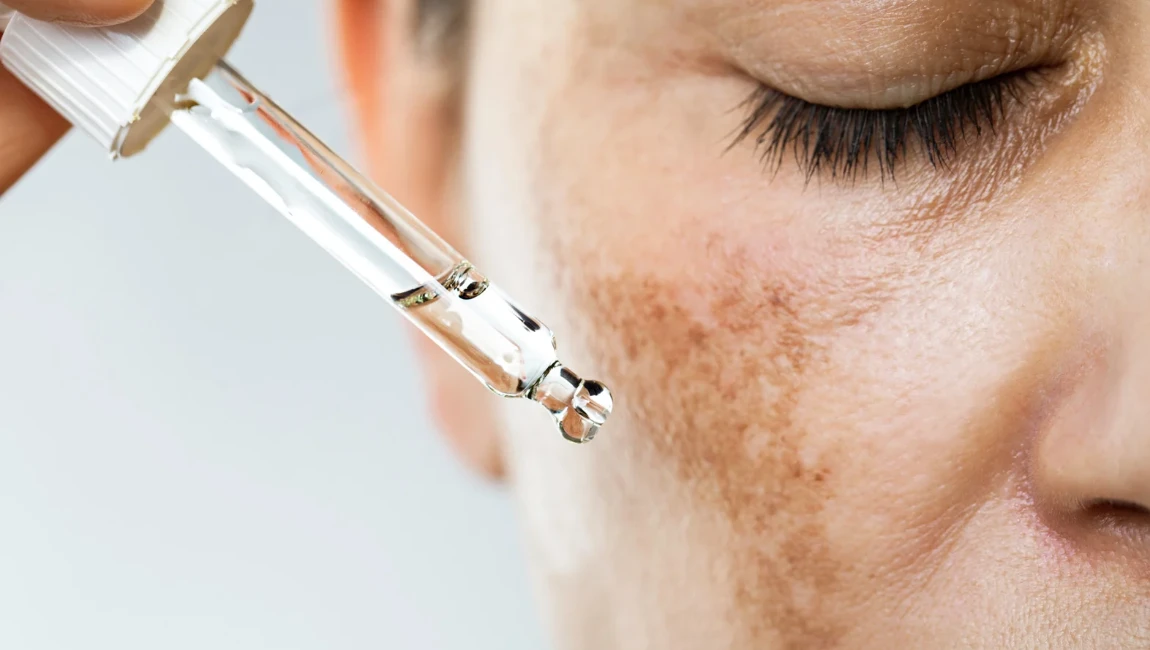
Dark Spots After Summer? Understanding Hyperpigmentation and Choosing Your Skincare
Posted by Skinsider Team on 12th Nov 2026
Your holiday may be over, but changes in your skin tone can linger. Sun exposure can make existing dark spots more noticeable, including marks left by blemishes and patches of melasma.
Before adding a brightening serum to your routine, it helps to understand the difference. Korean skincare offers plenty of options for uneven-looking tone, but not every type of pigmentation responds in the same way.
What type of pigmentation are you noticing?
Hyperpigmentation is an umbrella term for areas that appear darker than the surrounding skin because of excess melanin. Three common types include:
- Sun spots: flat, brown spots associated with accumulated sun exposure. They may become more noticeable after summer, but often reflect exposure over many years.
- Post-inflammatory hyperpigmentation (PIH): darker marks left after blemishes, irritation or skin injury. These pigment marks are different from indented acne scars and red post-blemish marks.
- Melasma: brown or greyish patches, often appearing symmetrically across the cheeks, forehead or upper lip. Hormonal factors and sun exposure can contribute, and it can return even after improving.
These descriptions are a guide rather than a diagnosis. If a patch is new, changing or difficult to identify, ask a GP or dermatologist before choosing products for it.
Which skincare products should you look for?
Ingredients can have overlapping benefits, so there is no simple rule that one serum suits only sun spots and another only post-blemish marks. Choose according to your overall concerns and how your skin tolerates the formula.
For post-blemish marks and uneven-looking tone
AXIS-Y Dark Spot Correcting Glow Serum is a niacinamide-based option designed to help improve the appearance of dark spots and uneven tone. It is worth exploring when lingering pigment marks are your main concern, rather than expecting a serum to change the shape of acne scars.
For dullness alongside uneven tone
Beauty of Joseon Light On Serum: Centella + Vita C combines a vitamin C derivative with centella asiatica and hydrating ingredients. Consider it when you want to support a brighter-looking complexion while keeping hydration part of your routine. It should not be expected to remove established sun spots.
For a routine focused on visible dark spots
NINELESS B-Boost 1% Kojic Acid Serum combines kojic acid and niacinamide. It offers a targeted option for improving the appearance of uneven pigmentation, without needing to layer several separate brightening serums.
Alternatively, APLB Tranexamic Acid Niacinamide Ampoule Serum pairs tranexamic acid and niacinamide with a hydrating base containing panthenol. This is another formula to consider when choosing your main tone-focused step.
For melasma, keep expectations realistic. Cosmetic skincare may support a more even-looking complexion, but persistent or recurring patches benefit from professional advice. Evidence for an ingredient does not guarantee the same results from every finished product.
Keep sun protection in your routine after summer
Daily sun protection remains important when working on pigmentation, including during autumn and winter. Choose broad-spectrum sunscreen with strong UVA protection, and use shade and a hat when appropriate.
For melasma, a tinted sunscreen containing iron oxides can offer additional protection against visible light. Sunscreen helps limit further darkening; it does not erase existing spots.
Choose consistency over intensity
Start with one targeted product, introduce it gradually and keep your moisturiser in place. Adding multiple acids and brightening serums at once can cause irritation, which may contribute to further dark marks.
An effective K-beauty routine for uneven tone does not need many steps. Understanding your pigmentation, protecting your skin and choosing products you can use consistently is a more useful starting point than chasing the strongest formula.
Behind our content
Skinsider is a UK destination for Korean skincare, bringing carefully selected K-beauty brands and products closer to your everyday routine. Our blog combines product knowledge, ingredient research and hands-on experience to create clear, practical skincare guides.
Whenever possible, we test the products we write about, explore their formulas and textures and consider how they fit into real skincare routines. Our goal is simple: to help you understand Korean skincare and make more confident choices for your skin.
 Research
 Testing
 Practical advice